MEDIA FORMS
'
Internet Blues' was produced by using a short video as a media product. This was originally said to be a 90 second video for Depict! but due to lack of organization, my group slightly went over 90 seconds and therefore can not be cannot be entered into the competition. This will be beneficial for our next project as we will have the experience of handling our time efficiently. We distributed this short video by allowing the audience to access our video. This was done by uploading it onto YouTube while others which met the time limit and feel as though their video are skilled enough will enter their video onto the Depict! competition. There are a lot of other moving image media products. Firstly there are short films which my group have produced, which are used most often in low budget productions. There are TV programmes which can be anything along the lines of soap operas, news programmes, drama etc.. There are also feature length films which must have a running time of 40 minutes and over. Music videos and advertisements are also moving image media products. All media products have a wide range of ways to distribute their moving image. TV could be seen as the best distribution method in this day and age as this technology is used in everyday life. Therefore using TV to distribute your product (which can be viewing your product on TV channels or advertisements such as movie trailers) is undoubtedly the most successful way to create an audience and fan base. There are also other methods such as cinemas, which are also commonly used. Cinemas are mostly used for high budget media products therefore if the media product is reasonably low budget, there is a very diminutive chance that this method is available to that production. Streaming websites and illegal methods are also very commonly used as the internet is available around the world even if this means not having your own technology to access it. This can also be a problem due to the possibility of the sender overestimating/underestimating the available bandwidth which can cause a low quality video.
FINANCE AND FUNDING
For films, television and other moving image productions there are many sources of funding available to companies. This can consist of using self finance especially for low budget productions as some media products spend near to nothing on requirements such as Robert Rodriguez. Robert Rodriguez have directed many well known films such as;
Spy Kids, Planet Terror and Machete. Therefore this shows that it is possible to produce a media product without needing private finances like Megan Ellison which has a budget of up to £2 million. Megan Ellison has backed up many movies such as;
Spring Breakers, Passion Play and the successful film
Zero Dark Thirty which got nominated as the best film for BAFTA (British Academy of Film and Television Arts) and AACTA (The Australian Academy of Cinema and Television Arts).

High budget productions will have the role of paying crew members a salary. For example a unit production manger which manages all financial elements will earn up to £3,500 to £4,800 a week compared to a low budget production, which wouldn't be able to afford this type of crew member. This type of budgeted production would also have to pay crew members/actors on their expertise and experience. Therefore crew members which are known to have worked on well known films will get paid masses more than a member which has very little experience. Movies which are budgeted on near to nothing escape the risk of loosing large amounts of money due to the low chance of it becoming successful. Producers can also possibly get a loan from the bank, which is a chance some companies may have to take as it can possibly leave companies in debt as there is no definite chance of that media product becoming successful. Crowd funding is also beneficial to companies as this allows funds to be donated to companies if the idea of the media product has enough reinforcement. Even though this may only consist of small amounts of money, it is know that musicians, filmmakers and artists have successfully raised funds and fostered awareness through crowd funding such as 'A Swarm of Angels' which gained over 50,000 subscribers.
PERSONNEL
In a moving image production, the makeup of a typical team for a low budget short film would contain a small crew, depending on whether or not the members are being paid, which is unlikely. There would be a director, which is most likely to very little experienced. The makeup of a low budget production may consist of a crew members having to be in charge of different roles, such as the actors will be asked to use clothes from their own wardrobe. An example of a cast from a low budget film is '
Clerks' which uses members of the same family to play characters due to their low budget. A television programme will have a higher budget therefore the makeup of this production will be much larger. This production will have a casting director which plays a big part of a production and is responsible for choosing which actors are most suitable for certain roles in a film production. This type of director requires the skills of being able to give directions, recognize talent and have excellent communication and organization skills. Costume designer, make-up artists, director (assistant/floor/technical), researchers, television producer, story editor, cinematographer and a writer are also essential crew members. In result to having a higher budget, a TV programme will have a separate director and producer while lower budget productions may share the role. Each of these roles are significant to producing a television programme.

A Hollywood feature film will have an even larger team than a television programme due to usually having a budget of over a million.
Harry Potter and the Philosopher Stone managed to afford a cast of over 50 on their very first film. The crew specializes in every category and each member will be extremely experienced or even professional to their role. This production will have a department for production such as a line producer which are responsible for making sure that a production does not go over budget. A line producer requires in-depth knowledge of budgeting, excellent communication skills and the ability to identify hazards and risks within a production. Art, production sound, electrical and post-production will also all have their own categories inside each department. Such as the art department which will include an art director whom is responsible for the design of a production and a production designer which works and makes decisions with the director on anything between costumes and props. In addition to these common contributors, companies may occasionally use experts or specialist contributors. For example national insurance specialists, professors, technical support, production assistants and video/audio engineers.
In our group of 3, we allocated our roles in no particular way as we discussed which role each of us was most comfortable with. I shared the role of director and editor with Louie as I am not confident in front of a camera and I also had a diminutive amount of experience at directing in my previous school for GCSE media studies. Guy acted in almost every scene and even though he had not had much experience of acting, he decided to gain more experience at it and prepare himself for the rest of the year. We also had extra contributors in our film which we have learned as a group that it was not the best idea. This is because the contributors (George and Sean) was not available for every lesson while we were still trying to meet filming deadlines. Many crew members may contribute to a production behind the scenes such as catering, editing/music, legal teams, accountants, researchers. Each of these contributors are equal efforts which goes towards a production which many people disregard.
TIME
With the time frame which we were given to complete all pre-production work, filming and editing was a considerate amount of time. We had a week of pre-production work and one lesson of filming before going onto a week half term which we found difficult to continue once we returned. This resulted in having to re-film the scenes which we recorded before half term due to lack of preparation and continuity difficulties. To film '
Internet Blues' we had 2 double lessons excluding the lesson we had before half term, which resulted in a time period of over 4 hours to film. We used the time we were given considerably well as we met all pre-production and editing deadlines. As we had 2 contributors we found it difficult to meet the filming deadline and this resulted in using an extra 10-15 minutes after the filming deadline. In the professional industry, when deadlines are not met this can cause setbacks for the company. These setbacks could be having to fork out more money for requirements such as rented equipment, which may not be available. This small setback could also be the difference between getting a contract deal and failing in the media industry, it also gives the company a bad reputation for future media products.
An example of a media product which did not meet the release date is the American film '
2012' which was due to a busy schedule. In result to this, the product was still a huge success with having a budget of £200 million and making a £770 million in return which almost contradicts what could happen when a media industry does not meet deadlines. This is very different to the film '
Heavens Gate' directed by Michael Cimino, as during the production of this film, they faced major setbacks. These setbacks occurred due to cost and overtime runs and in addition to this, they lost an average of £41 million as they started on a budget of £44 million and returned only £3 million. Michael Cimino has shown to become less successful since the film 'Heavens Gate' as his first and most successful film '
Magnum Force' which got released in 1973 returned over £39 million. Michaels last film which he directed and produced in 1996 called '
The Sunchaser' only returned £21 thousand and received extremely negative reviews such as "the film has a predictable and often laughable script". This shows that set backs in a production can bring failure to company's future productions and create a bad reputation.
EQUIPMENT/FACILITIES

Professional moving image productions obtain their equipment by using hire companies as there are many online production directories available nationwide to get the best possible quality out of the money they're spending. Companies allow hiring for many types of equipment for example; cameras, video recorders, microphones and lighting. A professional media facility house creates high quality videos, audio, graphics etc... This allows the company to save money as it is more cost effective down to production being done on their premises and it gives the ability to improve efficiency as they're able to make creative decisions without a third party. The equipment which was available to us to film our Depict! project was a standard 5 MP video camera and tripod. Lighting, a jib and a green screen was also available to us, but was not necessary. My group obtained this by using the college's equipment which was available to us when it was needed. We also had to consider using our time with the video recorders wisely as the battery life usually failed to last all lesson and it was difficult for us to exchange cameras due to other students filming.
LOCATIONS
The locations which we used to film our short film was a typical classroom and a corridor. This is the location which is seen most often in our film due to the need to be allocated in a working environment as a variety of our scenes were filmed around computers.

All filming was shot in the East Norfolk Sixth Form therefore we easily gained location releases from any staff member in the college. A location release is a contract which gives a company legal permission to film in the location which they have chosen and also lets the permittee know the number of days and the times that the location will be required. This agreement allows the company and team to enter the property and it gives the property's representative the right to sue for any damages. A location recce is different from a location release as this stage in pre-production is completed before gaining your location release. This is because recces allow you to scout out possible locations which you'll be using by taking photographs. They also allow the producer to choose which location/s are appropriate for your production while releases are the company's specific location which they'll be using to film. The recce can also judge any potential issues with lighting or sound, which may lead to using a location more appropriate for that scene. The logistical issues which we faced in our project 'Internet Blues' was not being able to film when needed while the contributors availability was not obtainable. We also faced the risk of absence's of group members, especially actors as this would setback our deadline even more so.
MATERIALS

To make a moving image text in addition to equipment, crew and cast, there may be other materials used in a production. A typical material would be money, as this is needed to buy most of the above with an addition to locations, software etc.. with an exception of crew and cast if it's a low budget film. Locations, which is certainly essential as every film whether its low or high budget is filmed in a location. Editing software will also be required to complete your project, this can be Adobe Premiere Pro which we used to edit our short film. There are also other software's that are available such as Corel Video Studio, Cyber Link Power Director and Sony Vegas Movie Studio depending on the products budget. Editing software is available to any company and can be downloaded and installed on the internet. Higher budget productions may spend a large amount of money towards editing therefore the editor will already have a professional software and the expertise to use it. An example of a famous editor is Walter Merch which has played the role of the 'editor' for many successful films such as;
Jarhead, Ghost and
The Godfather Trilogy.
Another material would be clearances to make sure your product is able to be distributed, which is needed for any type of moving image text. If a company is displaying a logo/brand name which they do not own, they can obtain a clearance from the original owner. When using certain materials, there are financial considerations which are needed to be taken into account. The first consideration is knowing how much money is available to you. In our film we took money into account and we chose an idea which money is not necessary for our first project, fully knowing that we had a £5 budget if needed. The location which the producer has chosen is also a consideration, particularly if the company is paying to use it. This risk can occur from a location release which could state how long that location is needed to be used. If there are any step backs or re-shoot's, this could result in the company having to pay further costs to use that location.
LEGAL ISSUES
When using certain materials in a media production there are legal considerations to be taken into account which are extremely vital. Music/audio is a consideration in media which forbids a company from using existing music without the original owners consent. It can even be visually singing an existing song on the media product. If you do so without receiving the holders permission it is known as copyright and there will be several consequences that the company will face such as; loss of job, payment fines or even possibly jail time. Copyright is also known as plagiarism and it allows all rights to the holders property to be protected which stops anyone else from using or copying their property. This can be anything between music, films, performances and sound recordings. An example of copyright is the British novelist J.K. Rowling which got sued £500 million for plagiarism. This was due to copying an earlier childrens book called '
The Adventures of Willy the Wizard' which Rowling used in various plots in
Harry Potter and the Goblet of Fire. To avoid copyright in our Depict! product we had to create our own audio which came with an advantage. This was being able to make the audio fit in with our film and create it to the length that was needed which avoided unnecessary editing. A limitation to creating our own audio was that a lot of time was needed to create the different tracks and also learn how to work with the software that we were using which meant less time editing.
The term 'clearance' is authorized permission before screening a completed product in public which makes sure there is no copyright included. This can be products, logos, brand names, text, designs and images. For example if the company has decided to feature a famous painting such as '
The Mona Lisa' by Leonardo Da Vinci, then clearance will have to be permitted from the owner. Public Liability Insurance is a type of insurance which protects any accidents or damages that occurs to the public which may be caused by a company. For example, if there is equipment in the location where filming is taking place which is not marked with a warning sign and a member of the public trip's over the equipment, compensation can be claimed for which is covered by public liability insurance.
Completion guarantee is also important as it a type of support that insures a coverage on risks that could occur in a project, such as set backs. This guarantee's to finish a project on the agreed time and any overruns that transpire may change costs from the original prices. An example of this is not being able to meet the deadline due to actors/crew members being absent and this could setback a whole project. This results in the company facing financial risks and not the lender. An example of this was an old film called '
One from the Heart' which was filmed in 1982 by Francis Ford Coppola which successfully used completion guarantee with his previous films until
One from the Heart. This film went extremely over budget therefore these overruns made other film finances reluctant to working with him.
REGULATION
A regulatory body is also called a regulatory agency and are established by the government to an organization that allows the activity of companies to be regulated. Their role is to impose requirements, restrictions and conditions, setting standards and securing enforcement. It is seen as a challenge for regulatory bodies to regulate online videos as the public are free to upload videos onto the internet. This leads to children being exposed to violence and sexual scenes as they can watch any videos online.

The Office of Communication which is also known as OFCOM, is also a regulator which allows peoples TV's, radio sectors, mobiles and fixed lines to obtain the best from their services. This regulatory body has many functions and one of these functions are to identify issues which are affecting England's communications. Although this service carry's out many roles, they're not responsible for complaints within the public and the telecom provider. The BBC is regulated and overseen by the BBC trust, which OFCOM does not have. They're also under the regulation of media regulators and is managed by the director general which is selected by the board. This regulatory body is dissimilar to OFCOM due to the BBC's trust which represents the interest of licence fee payers. They're also responsible for the guarantee of the promotion in the BBC's public purposes, whereas OFCOM does not have a trust. A trust is important as it demands a higher quality and more distinctive body, this has resulted in the trust approving many new successful services like the BBC iPlayer, news and sports.

The BBFC which stands for the British Board of Film Classification, is a non-governmental organization. A non-governmental organization is an organization which is non-profitable and it also promotes many things such as goods and services. The film industry funds this organization and has authority over the national classifications of films in the UK. Their functions are to rate released films and those that have local authorities legally, have the power to decide what films are shown in cinemas. This organization also has the responsibility of meeting the standards of the public and their concerns every 4-5 years, which is carried out by a consultation exercise. My knowledge of the internet regulation has expanded on OFCOM, BBC and BBFC as my previous knowledge was typically BBC related due to the companies recognition. I now understand the broader side to internet regulations and the companies which are involved. This could possibly relate to our Depict! project as we distributed our short film onto YouTube, which has restrictions against pornography, violence and dangerous or illegal acts. This therefore protects children worldwide.
TRADE UNIONS AND TRADE ASSOCIATIONS

A trade union is an association which improves conditions in a workplace. Trade unions settle with employers on behalf of union members which could be anything the lines of employers going off sick, issues with wages or medical benefits. They're important as they are known as collective body's which represent and protect workers. They also reassure that a worker is getting paid for their skills and are receiving equal pay as much as their breaks when working a large amount of hours. A trade association is a trade group or organization inside an industry. Their role is to discover possible setbacks in a company and encounter a solution which develops partnerships with other companies. An example of a trade association is the Solar Energy Industries Association as this company works with several firms inside the solar energy business such as the U.S. Solar Market Insight. A trade association that interests me is WFTV which stands for Women in Film and Television. This is due to the protection of women in film, TV and media industries which creates a bond and society within women across the UK. It's also intriguing with the amount of members which this association has received, which is over 10,000. BECTU which stands for Broadcasting Entertainment Cinematograph and Theatre Union is a media and entertainment trade union in the UK. This contains film, theatre and the arts, broadcasting, independent production and digital media. This unions main roles are to protect jobs, increase membership, win new recognition agreements and improve pay and conditions of service.
PACT is a UK trade association which features film, TV, digital, children and animation media companies. This association promotes the commercial interests of these features and campaign on areas to do with intellectual property rights, international sector issues, UK nations and regions, diversity and digital responsibility.
REFERENCES


 The requirements for any type of production through sources of finance are limitless. A moving image product may have to pay money for crew members, depending on whether or not the actors or crew are professional. Locations and facilities also may be a possible cost which will most likely to be necessary for higher budget products, as well as transport and accommodation. Lower budget products are able to use public areas but this may be difficult due to possible distractions or unwanted members of the public around that area. This may also be what a producer is looking for in terms of a scene requiring ambient sound. Equipment may also be required, such as camera and lighting equipment dependent on what is available to you, you may also decide that you need to rent or buy a slider. The typical requirements that are most often needed are props and costume. These may be expensive depending on whether they're new or second hand which with higher budget products they are most likely to be new. Media products which have a budget of near to nothing will result in using their own props and costumes with help from the the crew and cast. In our Depict! project we had to obtain the props and costumes which were already available to us plus a £5 budget per group, which was not necessary for our short video. The only props which our group required was a video camera and tripod, plus small props which were easily accessible such as computers, sticky notes and white board pens.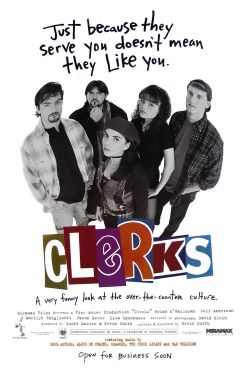
 A Hollywood feature film will have an even larger team than a television programme due to usually having a budget of over a million. Harry Potter and the Philosopher Stone managed to afford a cast of over 50 on their very first film. The crew specializes in every category and each member will be extremely experienced or even professional to their role. This production will have a department for production such as a line producer which are responsible for making sure that a production does not go over budget. A line producer requires in-depth knowledge of budgeting, excellent communication skills and the ability to identify hazards and risks within a production. Art, production sound, electrical and post-production will also all have their own categories inside each department. Such as the art department which will include an art director whom is responsible for the design of a production and a production designer which works and makes decisions with the director on anything between costumes and props. In addition to these common contributors, companies may occasionally use experts or specialist contributors. For example national insurance specialists, professors, technical support, production assistants and video/audio engineers.


 The Office of Communication which is also known as OFCOM, is also a regulator which allows peoples TV's, radio sectors, mobiles and fixed lines to obtain the best from their services. This regulatory body has many functions and one of these functions are to identify issues which are affecting England's communications. Although this service carry's out many roles, they're not responsible for complaints within the public and the telecom provider. The BBC is regulated and overseen by the BBC trust, which OFCOM does not have. They're also under the regulation of media regulators and is managed by the director general which is selected by the board. This regulatory body is dissimilar to OFCOM due to the BBC's trust which represents the interest of licence fee payers. They're also responsible for the guarantee of the promotion in the BBC's public purposes, whereas OFCOM does not have a trust. A trust is important as it demands a higher quality and more distinctive body, this has resulted in the trust approving many new successful services like the BBC iPlayer, news and sports.
 A trade union is an association which improves conditions in a workplace. Trade unions settle with employers on behalf of union members which could be anything the lines of employers going off sick, issues with wages or medical benefits. They're important as they are known as collective body's which represent and protect workers. They also reassure that a worker is getting paid for their skills and are receiving equal pay as much as their breaks when working a large amount of hours. A trade association is a trade group or organization inside an industry. Their role is to discover possible setbacks in a company and encounter a solution which develops partnerships with other companies. An example of a trade association is the Solar Energy Industries Association as this company works with several firms inside the solar energy business such as the U.S. Solar Market Insight. A trade association that interests me is WFTV which stands for Women in Film and Television. This is due to the protection of women in film, TV and media industries which creates a bond and society within women across the UK. It's also intriguing with the amount of members which this association has received, which is over 10,000. BECTU which stands for Broadcasting Entertainment Cinematograph and Theatre Union is a media and entertainment trade union in the UK. This contains film, theatre and the arts, broadcasting, independent production and digital media. This unions main roles are to protect jobs, increase membership, win new recognition agreements and improve pay and conditions of service.

Alycia,
ReplyDeleteThis is a very nice first piece in which you define terms, give some explanation and provide some examples. I have awarded you P1 for the task but you are so very close to M.
In order to improve your grade:
• ‘Blog up’ the whole post by adding lots more images, clips, articles and print screens, etc.
• I’m not sure ‘uncountable’ sounds right in the opening paragraph - maybe just say there are a lot…
• Mention specific examples to back up your points, e.g., where you mention Megan Ellison etc., mention a film that she has backed
• Compare 2012 to Heaven’s Gate
• Link skills, experience and expertise of personnel to cost
• Did you really have a crane… or was it a jib?
• Tidy up your paragraph on materials and link to where they can come from
• You have mentioned contributors but you need a lot more, e.g., what about experts and specialists, e.g., professors and pioneers
• Clearly define recces and releases and ensure you say how they are different from each other
• Your legal paragraph and one on regulation looks a little ‘copied’, please go back to it and make sure that they are ALL your own words (you may print screen sections if they are really important).
This is a nice, tidy post – now get that detail in it and pack it full of specific examples.
Great stuff,
EllieB
Merit achieved - well done.
ReplyDeleteEllieB